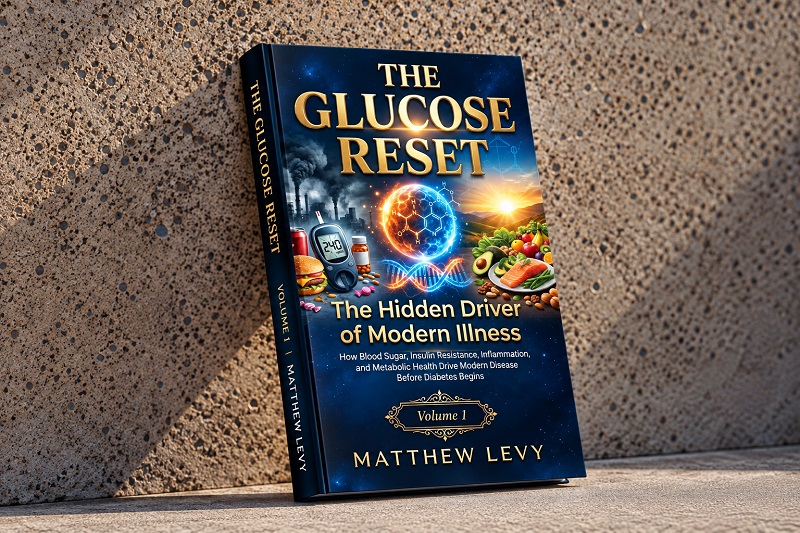
Matthew Levy is a nonfiction author based in the United Kingdom, writing at the intersection of human behaviour, self-understanding, and modern life. His books explore the forces that quietly shape how we think, what we reach for, who we love, and why so many people feel like something important is missing even when life looks fine from the outside.
His writing is not motivational. It is honest. It does not tell you what you want to hear. It examines what is actually happening in your body, in your habits, in your relationships, and in the culture around you and offers you a framework to navigate it with greater clarity and intention.
Over twelve published works, Matthew has explored subjects ranging from alcohol and addiction to glucose metabolism, from human consciousness to emotional connection, from the architecture of modern relationships to the political forces that erode individual thinking. Each book is rooted in the same core belief: that when a person understands their situation honestly, they are already halfway toward changing it.